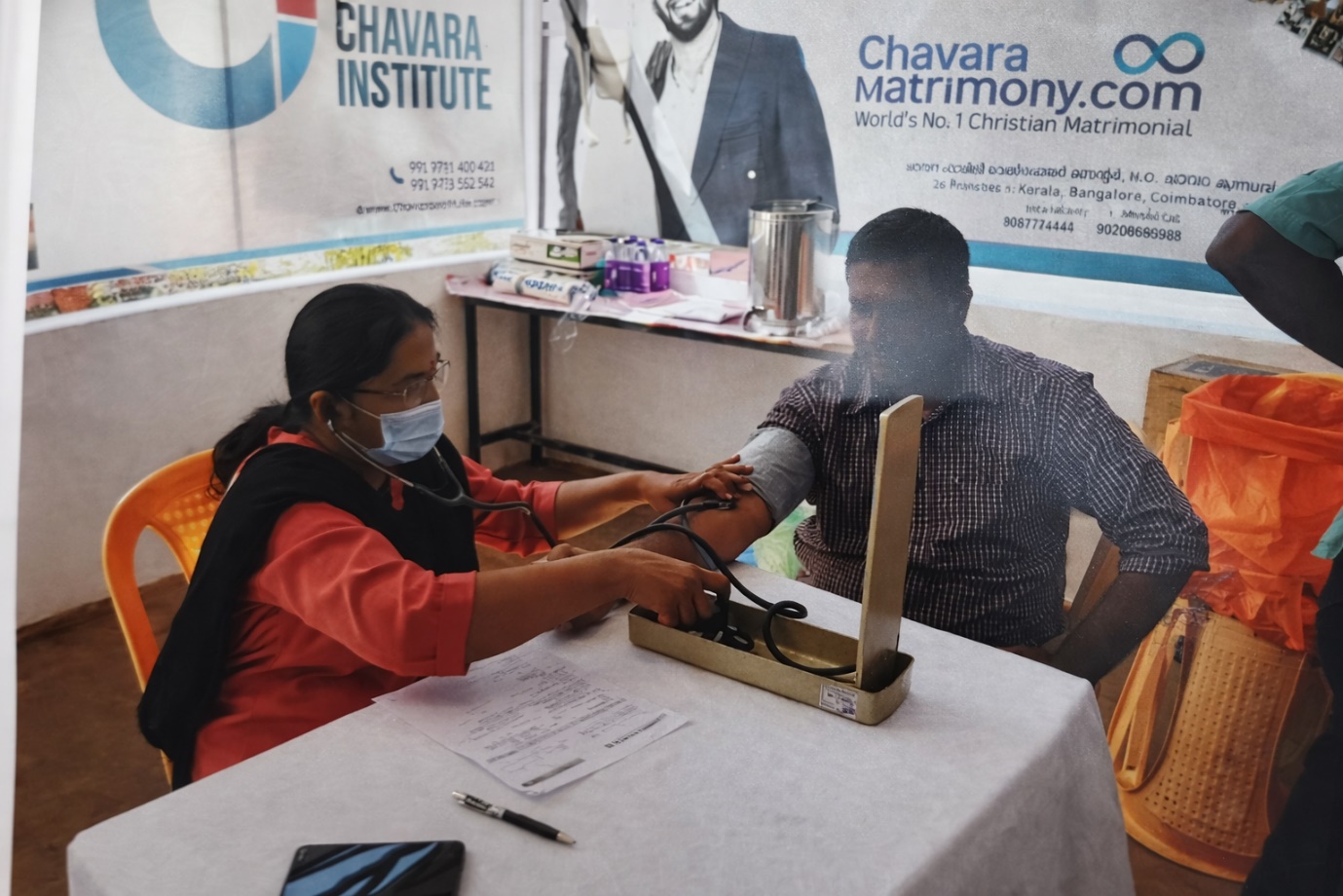
Project Coordination
Flood Rehabilitation Program at Kainakary, Alappuzha
Kuttanad as a whole is a ‘water-logged’ region in Alappuzha District of Kerala State. The land here is virtually man-made and lying below the sea level. Kuttanad is considered to be as the major rice bowl of the country. The economy is purely depends upon agriculture and the employment opportunities are seasonal and solely depending on the vagaries of nature. There are innumerable canals, rivers, large backwaters, lagoons, lakes and extensive paddy fields which remain submerged in water during seasons and monsoon periods. Communication and transportation facilities are quite inadequate in this backward area.
Heavy monsoon rain for prolonged periods and the flash floods, often cause great havoc in this region. Unemployment, unhygienic and unsafe living conditions, poverty, ill health etc. are very common features experienced by the people of this region. These unexpected natural calamities made the life more rueful every year.
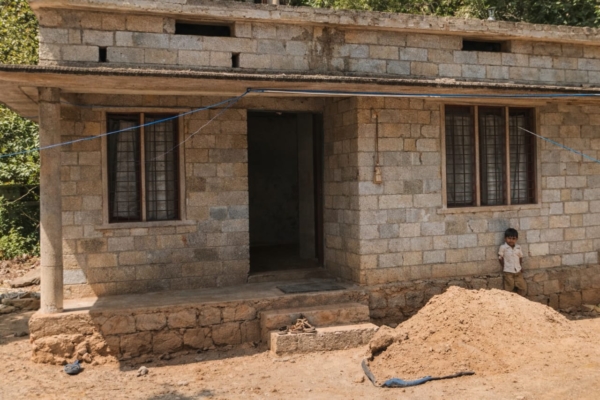
As part of flood relief program an initiative of housing program was decided to implement through CEVA at Kainakary, Alapuzha who were affected by the flood. Most of the houses in Kainakary Village were completely damaged by the flood. So understanding the need of shelter was fundamental for the people, it was planned and decided to construct a new house as a model which will be totally defend against flood in future. In this regard five damaged houses that were most deserving were selected in Kainakary village for reconstruction in support of Indian Catholic Association Kolon, Germany.
- Housing Project at Udaya Colony & Gandhi Nagar
CEVA is currently doing housing project to four families of a slum near ernakulam south railway station which is adjacent to city waste water stream. There are about hundred families with tiled huts and a few terraced houses. In order to make positive changes we are constructing houses that were severely affected by recent heavy rain, wind and floods.
- Combating COVID-19 Pandemic:
CEVA joined hands with 15 Provinces and its networking NGOs for distributing food kit with essential commodities, sanitizer and mask during the lockdown period. Our volunteers and staff across operational area actively involved in distributing food and sanitary items to poor migrant laborers, sick and elderly people reeling under starvation in the wake of loss of work due to corona virus crisis. Along with food materials essential medicines were provided to sick and elderly people with chronic ailment. With concerted effort of CEVA with 15 Provinces along with networking NGOs connected with poorest of poor people during corona virus out break by keeping and maintaining COVID protocols. Apart from this our educational infra structure facilities, hostels, and hospitals were opened and converted as front line health center / institutional quarantine facilities. Together with the Government machineries, CEVA and the networking team actively involved in combating COVID -19 and the process is still ongoing in several States in India.
- Integrated Community Development Project (ICDP) at Niravilpuzha, Wayanad, (ICDP) Wayanad
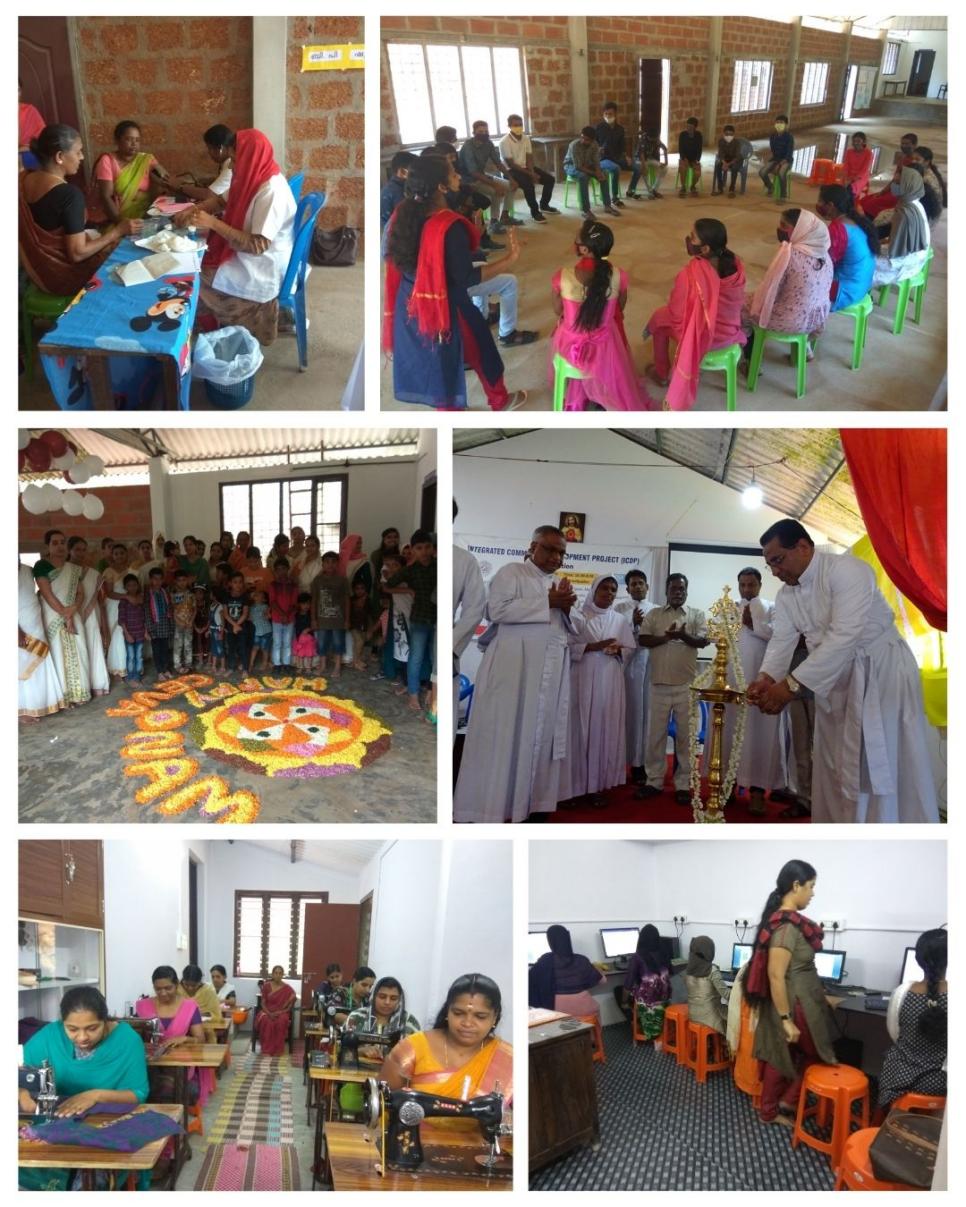
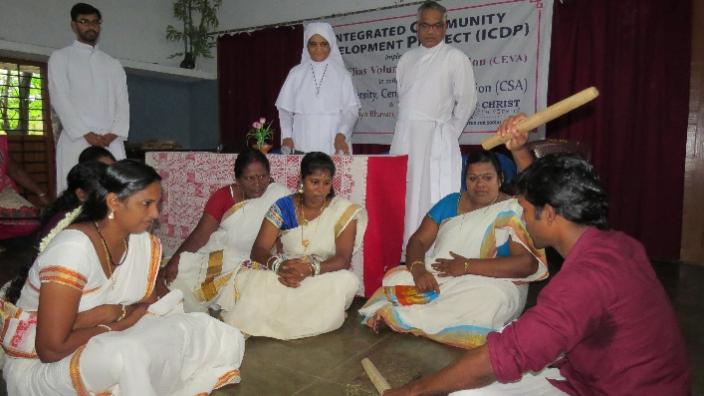
The three year Integrated Community Development Project (ICDP) at Niravilpuzha, Wayanad, funded by Centre for Social Action (CSA) Christ University, Bangalore and executed through CEVA was started in June 2019. The project includes Income Generation Programs (Distribution of Chicks), Computer Course, Tailoring Course, Tuition for Children, Counseling and Kitchen Garden Promotion. The programme implementation is in progress.

The official inauguration of ICDP project was conducted on 2nd December 2019. Fr. Dr. Abraham Vettiyankal CMI, Vice Chancellor Christ, (Deemed to be University) Bengaluru inaugurated the project. Rev. Fr. Varghese Vithayathil CMI, Vicar General and General Councilor for Social Apostolate and Moderator of CEVA welcomed the gathering. Dr. Victor Paul, Head, Sociology & Social work Department, Christ University gave introduction on the project. Presidential address was delivered by Dr. Antony Gregory, President,CEVA. Fr. Jinoj Palathadathil, Assitant. Director, WSSS Manathavady gave the key note Address. Mrs. GeethaBabu, President, Mananthavadi Block , Mr. P.A. Babu, President, Thondernadu Panchayath, Mr. Kesavan P, (14 Ward Member & Standing Committee Chairman – Health & Education) and Mr. Johnson Chirakkel, Trusty, St. Eliyas Church Mattilayam offered felicitations during the function. Fr. Dr. Varghese Kokkadan CMI, Secretary, CEVA delivered the vote of thanks. Overall 230 participants attended the function, including community leaders and elected members of the Panchayat.
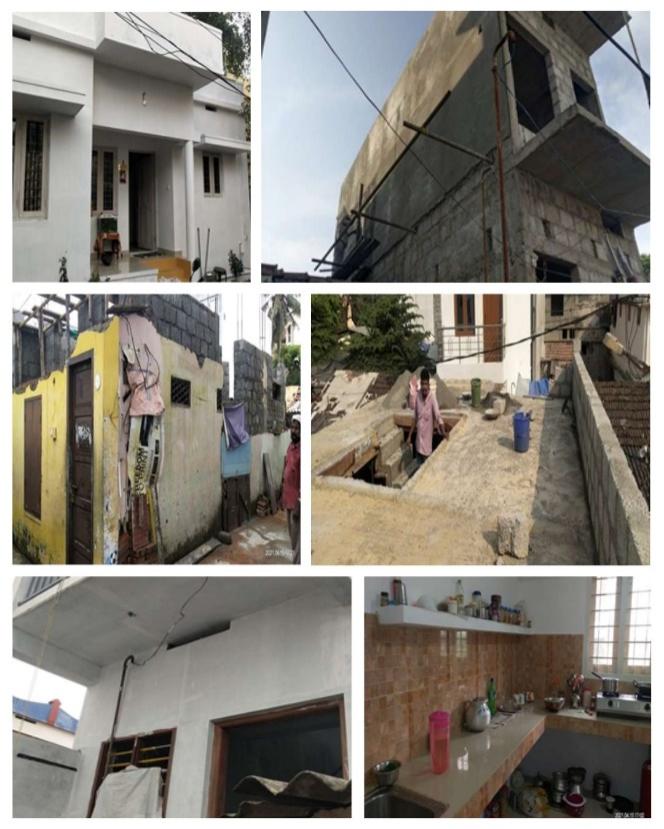
Housing Project for the Homeless
Supported by the Indian Catholic Association Germany, the Housing Project for the Homeless (2020–2021) provided critical shelter and social security to marginalized families living without stable housing in Udaya Colony, Karikkamuri, Kochi, Kerala. By funding and executing the direct construction of new homes, the project targeted individuals and economically disadvantaged households residing in unsafe or temporary conditions. Through this initiative, vulnerable residents gained safe, dignified, and permanent housing, establishing a secure foundation for long-term family stability and well-being within the community.

Leadership Camp for Children
Leadership camp “INSPIRE -2019” was held on 18th, 19th & 21st January 2019 at A.U.P School Mattilayam for the tuition children who are studying in 3rd and 4th standard. The main aim of the camp was to inspire the students for their all over development, named the camp “INSPIRE -2019”. A total of 22 students participated in the camp. The school head master Mr. Shivan, the Head Master inaugurated the camp. The activities focused on mainly to increase their concentration, develop oneness and unity among them and to increase the leadership qualities etc. Class, group games, videos shows were very good to communicate various themes and subjects.
Integrated Community Development Project (ICDP), Wayanad
The Centre for Social Action (CSA) at Christ (Deemed to be University), Bangalore, supported the Integrated Community Development Project (ICDP), Wayanad (June 2019 – May 2022) project and delivered holistic socio-economic support to marginalized rural families, tribal children, unemployed youth, and women in Niravilpuzha, Kerala. The initiative combined income-generating measures such as poultry distribution, animal husbandry support, and kitchen garden seed kits with certified skill training in tailoring, embroidery, and computer literacy. To foster educational and community growth, the project provided dedicated academic tuition, tribal youth camps, leadership training, and individual counselling. Additionally, the initiative promoted sustainable agriculture through organic farming workshops and practical study tours, effectively building long-term self-reliance across the region.
Distribution of Vegetable Seedling and Sapling
The climate of Wayanad is very suitable for the cultivation of vegetables. In order to cultivate the habit of kitchen gardening and promote self-sustainability in vegetables we distributed seedlings and saplings to farmers.

Training on Organic Farming & Animal Husbandry
In order to promote organic farming in agriculture and to increase the cultivation of vegetables and fruits by organic cultivation we have organized one day training on organic farming for the farmers. Two resource persons from Wayanad Social Service Society came and handled the sessions. They taught the farmers how to prepare various organic manure and organic pesticides with locally available resources. Livestock Inspector and field officer from veterinary department came and took class on how to grow chicks and cows economically in their own houses.
Tailoring

Tailoring and embroidery training to ladies completed first batch in December. Second batch is under progress. Certificates for the first batch are distributed. . Some of the ladies already started stitching from their home. We have also arranged a facility to come together and form a unit of tailoring of previous batch. They use to visit the unit and clarify their doubts and following the guidelines to form a tailoring unit.
Special Camps for Tribal Children
In order to bring forth the scheduled tribal children to fore front we have arranged special camp for them. Three week end camps arranged for them. Games such as carom board, foot ball, shuttle etc were arranged for them. Children were happy to come and participate in the camp.

Integrated Community Development Project (ICDP) Supported by Christ University – Centre for Social Action (CSA)
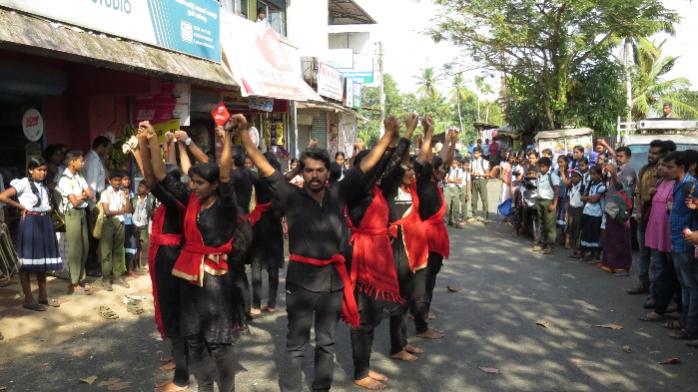
From 2015 to 2019 in partnership with Christ University’s Centre for Social Action (CSA), the Integrated Community Development Project (ICDP) uplifted approximately 800 marginalized families across Kainakary in Alappuzha District and Udaya Colony in Ernakulam District. The project addressed community needs through targeted initiatives, including educational support for children, vocational youth programs like traditional Panjari Melam training, and welfare support for cancer-affected families. To drive economic independence and health, ICDP established income-generating operations such as a food processing unit, a 10-machine tailoring centre, and cultural performance skill training with Shingari Melam for local women. Additionally, the initiative tackled basic survival needs by launching a safe drinking water distribution unit on World Water Day 2016, utilizing strengthened Neighbourhood Groups to ensure long-term clean water access for the entire community.
CHILD WELFARE PROGRAMMES
- School aid distribution – 393 children.
- Professional Education Support – 22 youth.
- Computer Training – 44 youths
- Value Added Learning for Upliftment in Education and Social Life – 150 students.
- Summer Program – 5 camps covering 270 students.
HEALTH
- Health Awareness Programme
- Health camps – 6 camps
- Treatment Support – 46 cancer/ terminally ill patients.
- Family & Community Enrichment – 650 families.
- Health and Happiness program for elderly – 50 elders.
SUSTAINABLE AGRICULTURE
- Sustainable agriculture campaigns
- Kitchen Garden promotion – 280 families.
RESEARCH
- Aqua farming to grow 1000 fish seeds.
COMMUNITY DEVELOPMENT PROJECT
Cyriac Elias Voluntary Association (CEVA) initiated the Community Development Project with the support of Air Products in the 14th & 15th Ward of Vadavucode Puthencruz Panchayath. The project was commenced on 3rd September 2016, with distribution of free Universal Health Insurance to all families residing in the 15th ward of the Panchayath. Later, the geographical area of the project was extended to the 14th ward of the Panchayath. The project concluded on the 26th April 2019. The project activities include:
- Universal Health Insurance for 343 families covering 1188 beneficiaries; Personal Accident Policy for 1344 beneficiaries.
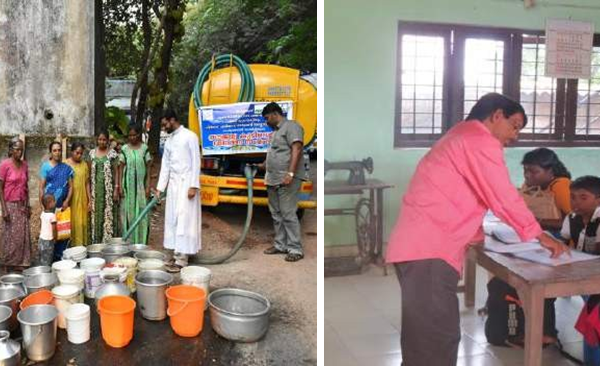
- Drinking water in the summer 2017 due to seasonal scarcity of water and later in 2018 (Sept-Oct) as post flood response.
- Medical camps were organized in collaboration with Sunrise Hospital Kakkanad and Rajagiri Hospital Aluva on 26th January 2017 and 10th June 2018 respectively.
- Fixing of 4 Convex Mirrors
- Establishment of tailoring unit in June 2018 with 5 machines which provided training for 50 women till date.
- Hand-Embroidery Course – CEVA in collaboration with Women’s Polytechnic Kalamasserry facilitated 3 months course for 25 young women.
- Training for Motor driving – 22 women including both 2 wheeler and 4 wheelers vehicles.
- Contribution to the local resource centers – the project contributed of 25 chairs each for 4 Anganwadies in the project area.
Tuition classes for children studying in class 5th to 9th
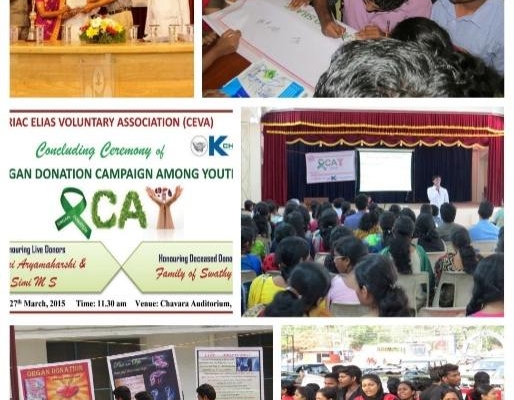
Organ Donation Campaign Among Youth (OCAY)
The project initiated to create awareness on Organ Donation among 10,000 youth in Ernakulam was supported by K Chittilappilly Foundation. The project was inaugurated on Organ Donation Day (August 6, 2014). CEVA conducted Awareness Generation Programme (AGP) on Organ Donation in different colleges in and around Ernakulam. The Campaign included Exhibition, Input Sessions, Video clippings, Signature Campaign, Distribution of IEC materials, signing the consent forms etc. Signature Campaign – “I Care to Share, I will be an Organ Donor” was signed by the participants to express their support for this noble venture.
Street Play on Organ Donation was performed by MSW students of Sree Sankaracharya University of Sanskrit, Thuravoor Regional Centre in Ernakulam KSRTC Bus Stand, Ernakulam Junction Railway Station and Marine Drive. OCAY was concluded on March 27, 2015 by handing over the Organ Donation Consent forms of 225 CMI priests and 400 Youth.
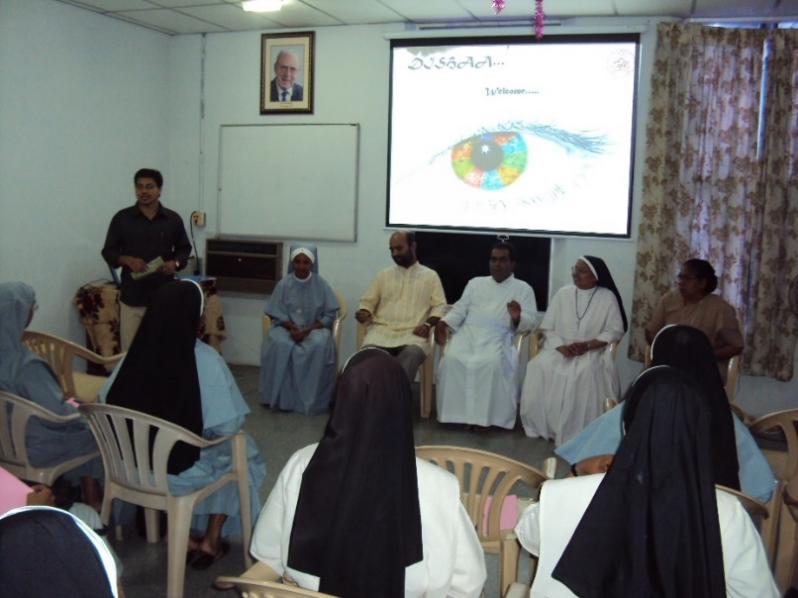
DISHAA – Joint Initiative of Congregations of Kerala for Child Protection
DISHAA – Joint Initiative of Congregations of Kerala for Child Protection was a state-wide collaborative campaign designed to safeguard vulnerable youth from abuse, neglect, and unsafe environments across Kerala. By uniting various religious congregations, civil society groups, and government bodies, the project built strong community-level defense networks and capacity within local institutions. Through targeted awareness campaigns, child rights advocacy, and responsible citizenship drives, DISHAA successfully mobilized families and communities to establish safer, more protective environments where every child could grow up secure and valued. The project implemented from 2012 to 2013.
Strengthening of Rural Poor through Formation of Self-Help Group & Literacy Project
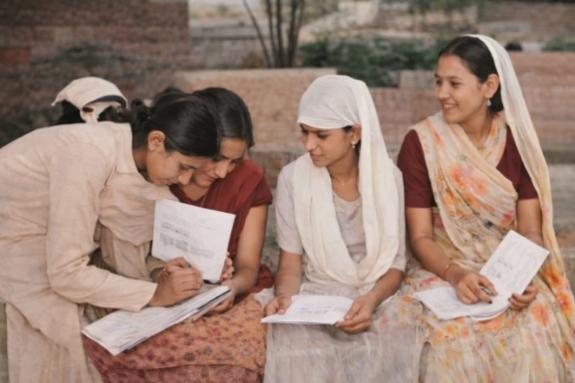
The Italian Bishops Conference project for “Strengthening of Rural Poor through Formation of Self- Help Group & Literacy” had its successful completion during the year 2010. Two major activities of the project were Formation of Self-Help Groups and Literacy Programmes. The main objective of the project is to provide support for the socio-economic empowerment of poor rural women by organizing Self-Help Groups and Literacy Programmes under 14 centers of the CMI Congregation.
Literacy Project – CEVA initiated Literacy project for the empowerment of the illiterate rural people of Tamil Nadu, Karnataka, Andhra Pradesh, Madhya Pradesh & Maharashtra. The project was supported by the Italian Bishops Conference of Germany.
Relief and Rehabilitation Programmes of CEVA
CEVA always responds to the unexpected natural disasters such as Cyclones, Earthquake, Floods and Tsunami in the past years. As a response to the Killer Cyclone in Orissa (1999), CEVA team visited the worst affected villages. CEVA raises funds with the support of national, international and local donors and channelized this amount to the victims through the support of local NGOs. CEVA assisted about 2550 individuals with clothing, food, medicines and school uniforms. 45 Families were organized into Self Help Groups and were supported with income generation programs as per the need, interest and competence of the beneficiaries. CEVA in collaboration with the General Social Apostolate of CMI raised funds from institutions, well-wishers and public from India and Abroad to support the victims of Tsunami Tragedy that occurred on 26th December 2004. An amount of INR 4,400,000/- was collected and used for the rehabilitation of the victims in Kanyakumari District, Alappuzha District and Ernakulam District. The project coordinated by CEVA was implemented by our three partner organizations.
Kavach – TCI HIV Project
The Project Kavach is being implemented with the support of Bill & Melinda Gates Foundation through Transport Corporation of India. The five year project commenced in 2005 was successfully completed in 2010. It focuses on both preventive and curative aspects of HIV/AIDS. The preventive aspect includes mid –media which consists of exhibition, health games, street play, film shows, interactions of trained drivers, ex-drivers, helpers in the form of group sessions with target community and mega events like truckers utsav. CEVA has been rewarded with Gold Rank for the implementation of this project by TCI Foundation.
ASWAS (Association of Single Women for Action and Self Help)
CEVA facilitated the formation of a support group for single women (widow, divorcees and unmarried women), arranged for financial support and training for the women. In 2000, ASWAS was registered as a society. Now, ASWAS is functioning as an independent entity having its own activities and programmes for the support of single women in Kerala.
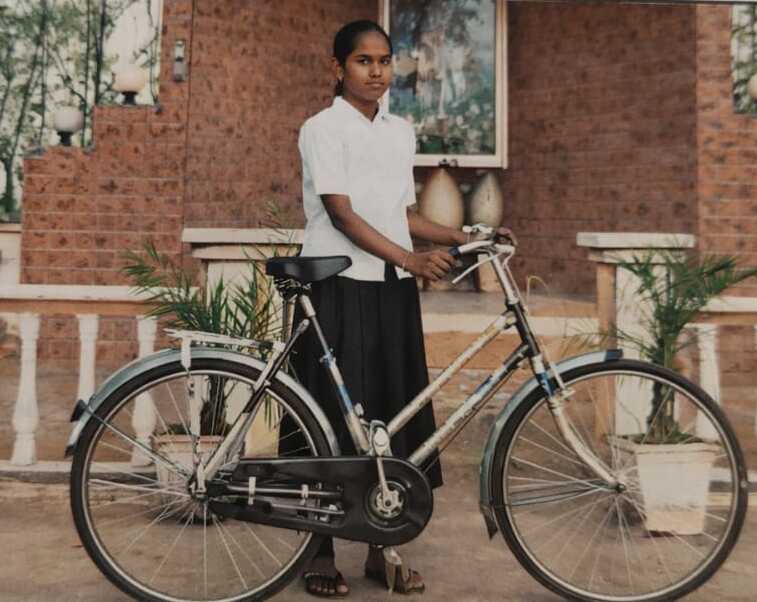
Gift A Cycle Project – Promoting Education through Mobility
The Gift A Cycle Project – Promoting Education through Mobility addressed geographic and financial barriers to schooling for 60 boys and girls aged 10–15 in remote, rural areas of Kerala. By distributing bicycles to students from economically disadvantaged families, the initiative provided safe, reliable transportation to drastically reduce travel time, lower absenteeism, and prevent dropouts. Implemented from 2012 to 2013, Beyond facilitating regular school attendance and academic continuity, the project fostered personal confidence, decision-making skills, and a sense of independence among young learners, empowering them to pursue their education with dignity.
Gyan Jyoti Literacy programme
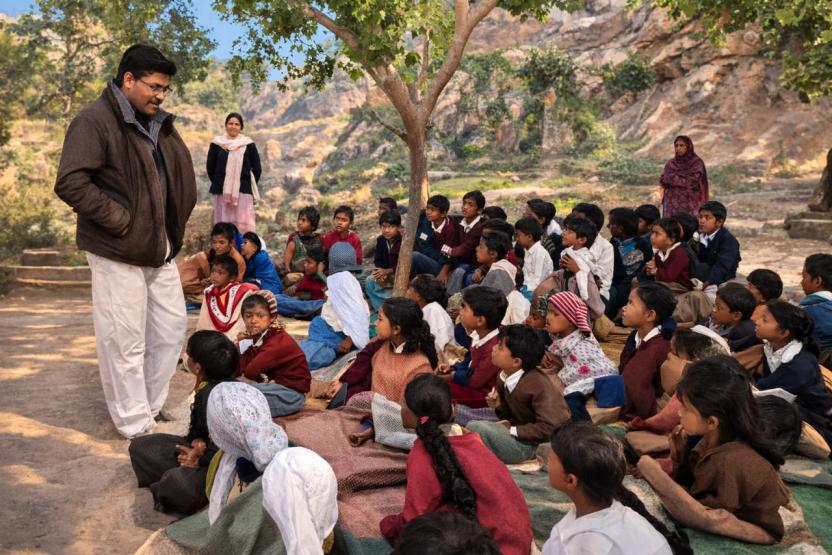
The Gyan Jyoti Literacy Programme launched in 1987 reached out to illiterate children, school drop-outs, illiterate men and women through informal learning centres. The project assisted several agencies in setting up and running literacy centres. A total of 25,000 individuals were helped through 1064 literacy centres spread in 8 Indian states namely Maharashtra, Uttar Pradesh, Jammu & Kashmir, Madhya Pradesh, Andhra Pradesh, Karnataka, Tamil Nadu and Gujarat. With this project (completed in 2001), most of the beneficiaries became functional literate and some of the dropouts reentered into the regular school system. Gyan Jyoti also helped the women to start credit unions and it increased the participation of women in community development and Panchayati Raj.
National Child Labour Project (NCLP)
The Strengthening of Rural Poor through Formation of Self-Help Groups & Literacy project was a transformative, nationwide effort carried out across 14 CMI Congregation centers in Kerala, Tamil Nadu, and six mission provinces. Implemented in two phases from 2003 to 2013, The initiative organized 4,565 economically disadvantaged women into 268 Self-Help Groups (SHGs) while delivering functional literacy programs to 642 members in underserved rural areas. By combining adult education, capacity building, and group-based financial empowerment, the project successfully enhanced socio-economic independence, fostered self-reliance, and built strong community support networks for marginalized women across India.
Strengthening of Rural Poor through Formation of Self-Help Groups & Literacy
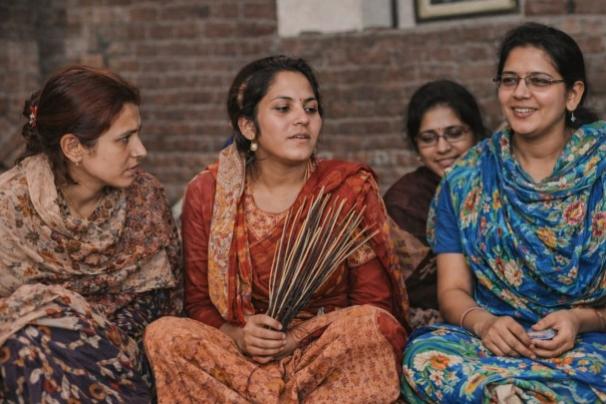
The Strengthening of Rural Poor through Formation of Self-Help Groups & Literacy project was a transformative, nationwide effort carried out across 14 CMI Congregation centers in Kerala, Tamil Nadu, and six mission provinces. Implemented in two phases from 2003 to 2013, The initiative organized 4,565 economically disadvantaged women into 268 Self-Help Groups (SHGs) while delivering functional literacy programs to 642 members in underserved rural areas. By combining adult education, capacity building, and group-based financial empowerment, the project successfully enhanced socio-economic independence, fostered self-reliance, and built strong community support networks for marginalized women across India.
Solar Lamp Project – Lighting Lives Through Education
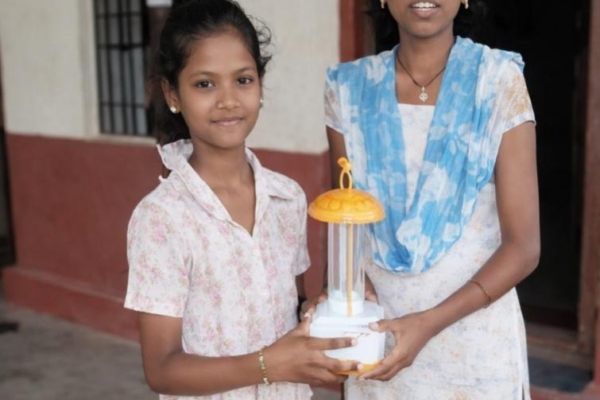
Solar Lamp Project – Lighting Lives Through Education provided clean, reliable lighting to school-age children in unelectrified rural villages across the Chandrapur District of Maharashtra. Implemented from 2012 to 2013, By distributing solar-powered lamps to students struggling to study in off-grid conditions, the project ensured uninterrupted home education after dark while reducing reliance on hazardous kerosene. Alongside lamp distribution, the initiative raised community awareness on clean energy and basic equipment maintenance, fostering a sustainable environment that supported academic success and improved quality of life for rural families.
Solar Lamp Project – Lighting Lives Through Education
During the 2011–2012 academic year at St. Sebastian School in Kuttikad, Kerala, the Social & Moral Responsibility Building Project delivered comprehensive value-based education and character formation to 3,000 students. The initiative nurtured well-rounded youth by integrating leadership training, personality development, and ethical awareness with active support from teachers, school management, and the PTA. Through targeted motivation sessions and physical, intellectual, social, and emotional growth activities, the program empowered students to discover their core strengths, embrace social responsibility, and develop into confident, ethical leaders.
CEVA–NGO Project: Enhancing & Empowering NGOs in Kerala
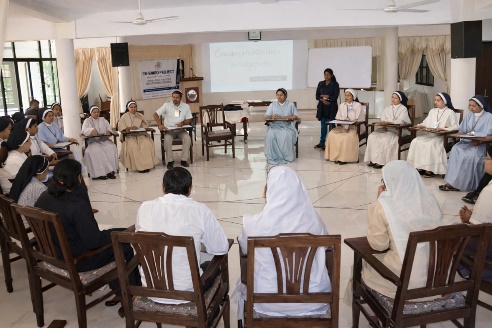
In December 2011, the CEVA–NGO Project: Enhancing & Empowering NGOs in Kerala was a year-long capacity-building initiative designed to strengthen the civil society sector across the state. Through a structured series of monthly training programs, the project equipped key personnel, staff, and active board members of local NGOs with essential tools for organizational growth, leadership, and operational sustainability. By fostering technical competence, strategic networking, and professional management, the initiative empowered participating organizations to drive more innovative, impactful, and sustainable development programs within their communities.
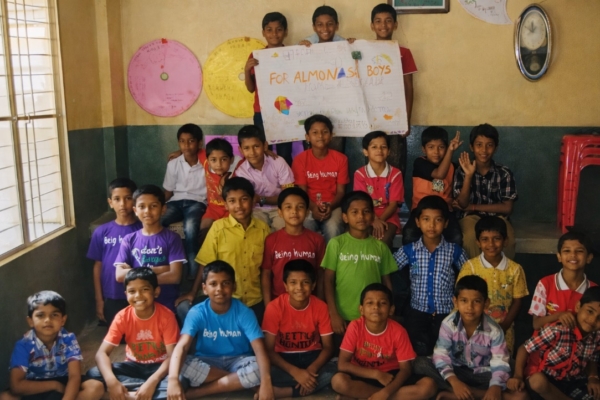
ALBOH – A Model for Children’s Home (Quality Enhancement Programme for Alphonsa Boys Home)
Implemented from 2013 to 2015 at Alphonsa Boys Home in Karikkamuri, Kerala, ALBOH – A Model for Children’s Home was a quality enhancement program dedicated to transforming the lives of 27 resident boys. The project established a comprehensive model of care that nurtured each child across social, emotional, physical, educational, economic, and spiritual dimensions. Through personalized mentoring, individual motivation, and innovative attitude-building techniques, ALBOH fostered a supportive family environment by actively involving the children, their parents, caretakers, and home management in every step of their growth and well-being.
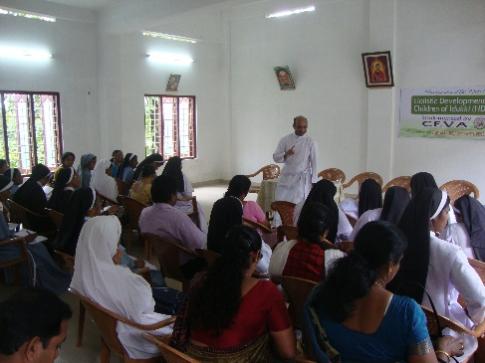
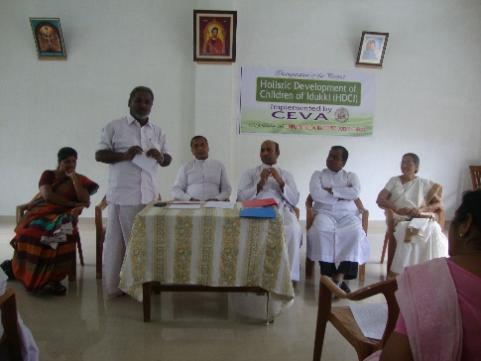
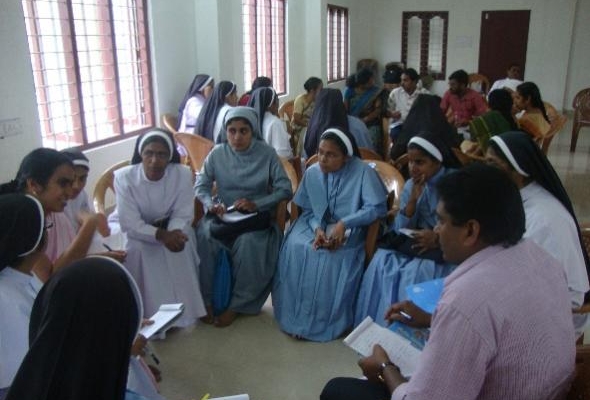
Holistic Development of Children in Idukki (HDCI)
During the 2011–2012 academic year at St. Sebastian School in Kuttikad, Kerala, the Social & Moral Responsibility Building Project delivered comprehensive value-based education and character formation to 3,000 students. The initiative nurtured well-rounded youth by integrating leadership training, personality development, and ethical awareness with active support from teachers, school management, and the PTA. Through targeted motivation sessions and physical, intellectual, social, and emotional growth activities, the program empowered students to discover their core strengths, embrace social responsibility, and develop into confident, ethical leaders.
Cancer Project – CEVA’s Fight Against Cancer (In partnership with STARS – Social Work Organization of St. Thomas Province, Calicut,)
From 2013 to 2014 in partnership with STARS (Social Work Organization of St. Thomas Province, Calicut), Cancer Project – CEVA’s Fight Against Cancer provided critical relief to economically disadvantaged children battling cancer and their families, with a focus on Wayanad and Kozhikode, Kerala. The initiative delivered vital direct assistance through treatment and medication support alongside necessary nutritious food and health supplements to aid recovery. Recognizing the immense emotional toll of the disease, the project also integrated specialized trauma care and psychological counseling, offering holistic support to ease the financial, physical, and emotional burdens on affected families.
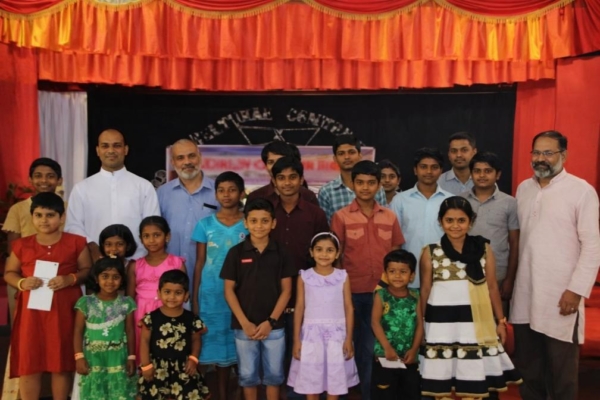
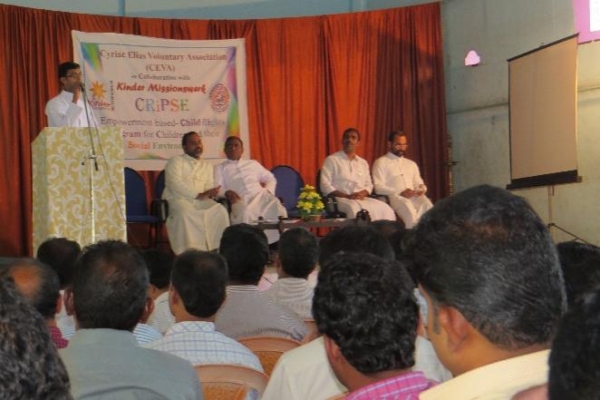
CRIPSE – Child Rights Protection and School Empowerment Project. (In collaboration with Idukki Diocese’s Corporate Educational Agency)
During the 2011–2012 academic year at St. Sebastian School in Kuttikad, Kerala, the Social & Moral Responsibility Building Project delivered comprehensive value-based education and character formation to 3,000 students. The initiative nurtured well-rounded youth by integrating leadership training, personality development, and ethical awareness with active support from teachers, school management, and the PTA. Through targeted motivation sessions and physical, intellectual, social, and emotional growth activities, the program empowered students to discover their core strengths, embrace social responsibility, and develop into confident, ethical leaders.
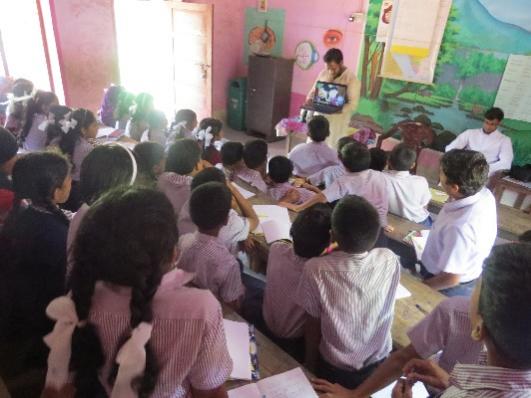
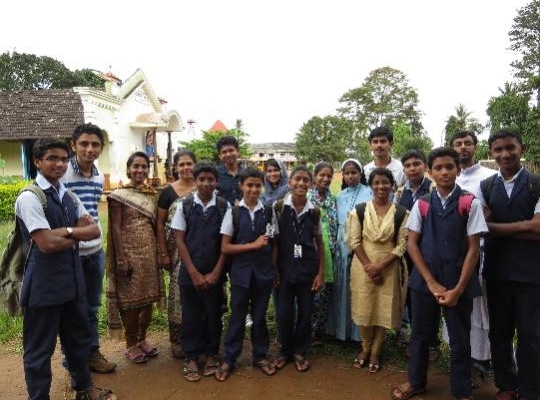
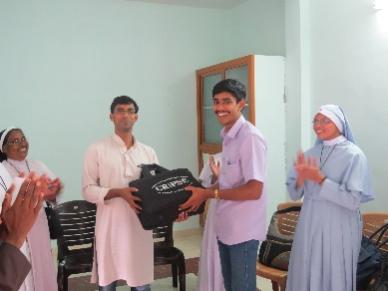
Care and Support for the HIV/AIDS Infected & Affected – Kutch District, Gujarat
Supported by Förderverein “Neues Kerala,” the Care and Support for the HIV/AIDS Infected & Affected Project (2015–2016) provided holistic relief and social integration for 125 affected families across Gujarat’s Kutch District. The initiative addressed immediate medical and basic needs by offering palliative care support, treatment assistance, monthly nutrition rations, and home counseling visits. Beyond direct aid, the project fostered long-term stability and social inclusion by providing educational support for children, skill development and vocational training for adults, and community get-togethers alongside public awareness drives to combat stigma and rebuild lives with dignity.
United way worldwide Community Development Project
Supported by Bharat Petroleum Corporation Limited (BPCL), the United Way Worldwide Community Development Project (2016–2019) delivered essential healthcare, insurance, and social protection to residents in the 14th and 15th Wards of Vadavucode Puthencruz Grama Panchayat, Kerala. The initiative secured essential safety nets by providing comprehensive insurance coverage—including Personal Accident and Universal Health policies—to 1,344 individuals across 343 households. In partnership with Sunrise Hospital, Kakkanad, the project conducted targeted medical camps for early screening and detection of lifestyle diseases such as diabetes and hypertension, laying the groundwork for sustainable community health, safe drinking water, waste management, and women’s empowerment programs.
Chavara Community Development Project (CCDP)
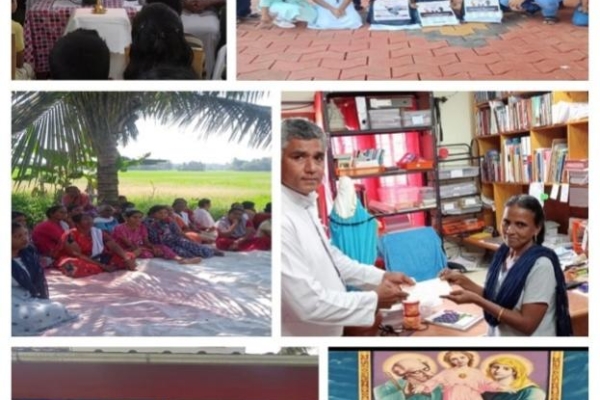
Supported by the Centre for Social Action (CSA), the Chavara Community Development Project (CCDP) (2022–2024) drove multi-dimensional growth for poor and marginalized families in Kainakary, Kerala. The initiative focused on expanding educational access and quality, particularly by helping youth pursue professional education and brighter career paths. Adopting a participatory, community-led approach, CCDP also tackled pressing environmental issues through eco-restoration drives, systematic waste disposal systems, and plastic management programs, successfully fostering sustainable social, cultural, and economic resilience across the region.
Programmes and activities of Ceva in different areas
CHRONIC ILLNESS
Launched in 2013 as a special one-time initiative marking CEVA’s 25th Silver Jubilee Commemoration, Santhwana Bhavan – Ensuring a Peaceful Life for HIV/AIDS Infected & Affected provided targeted housing support to 25 vulnerable families across Kerala. Funded through local donors and community contributions, the project focused on restoring security and dignity for individuals living with or affected by HIV/AIDS. By constructing new homes for the most destitute and carrying out essential repairs and structural maintenance on existing residences, Santhwana Bhavan significantly improved living conditions, ensuring a safe, stable, and peaceful home environment for beneficiaries.
Youth uplift programme
Supported by the K. Chitrapilappilly Foundation, the Organ Donation Campaign Among Youth (OCAY) (August 2014 – March 2015) mobilized young people across Ernakulam District, Kerala, to raise awareness about organ donation and saving lives. The initiative reached approximately 10,000 students and community members through engaging educational programs, interactive college exhibitions, video presentations, and public street plays. Centered around the signature campaign “I Care to Share, I will be an Organ Donor,” OCAY empowered youth to take actionable steps toward social responsibility by distributing informative campaign literature, facilitating organ donor consent registrations, and celebrating active participation with community awards.
Educational Scholarship Programme
Supported through local funding contributions, the Educational Scholarship Programme provides financial and academic backing to meritorious students from economically disadvantaged and marginalized families across Kerala. The initiative enables promising youth to pursue professional higher education degrees—including Engineering, Medicine, and Business Administration—by bridging the financial gap that often prevents academic progression. Beyond covering educational expenses, the project delivers regular career guidance, motivational support, and personal mentoring, fostering long-term self-reliance and social mobility for students and their families through higher learning.
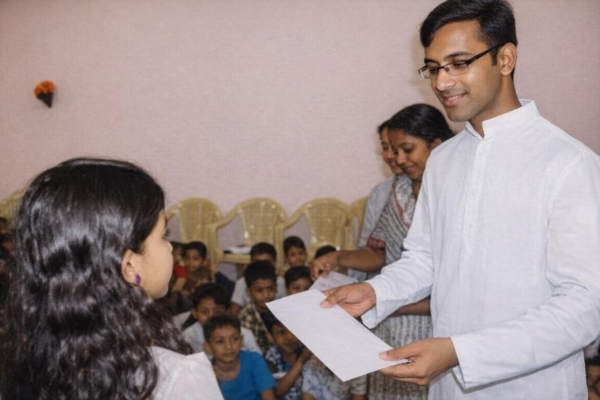
Youth Upliftment Through Value Addition (YUVA Project)
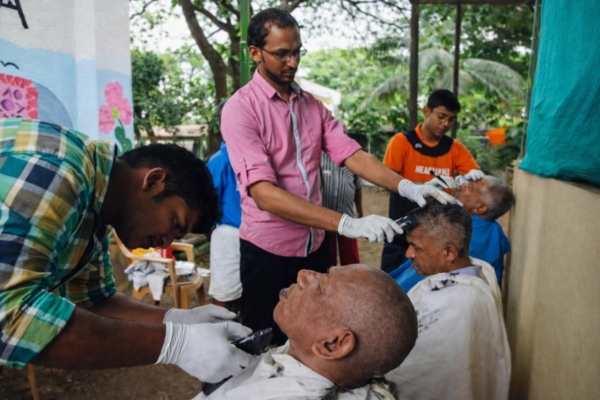
The Youth Upliftment Through Value Addition (YUVA Project) engages youth from the Karikkamuri community in values-based development, leadership, and hands-on social responsibility. Through continuous weekly engagements—including Sunday exposure visits to the Palluruthy Relief Settlement—participants deliver vital volunteer service by providing personal care, cleanliness assistance, and companionship to resident inmates. By combining interactive entertainment and emotional support with direct community service, YUVA fosters empathy, personal leadership, and deep social sensitivity among young people while improving the well-being of vulnerable individuals.
Pranamam Elderly Group programme/activities
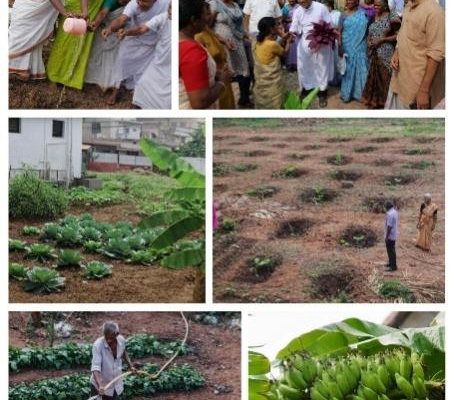
Implemented from 2015 to 2018 at CEVA Bhavan, Kerala, Bhupalana – Nature Farming Initiative integrated sustainable agriculture with active aging for senior citizens belonging to the Pranamam Group. Utilizing 50 cents of land, elderly participants engaged in the daily cultivation and upkeep of poison-free organic vegetables, including plantain, spinach, tomatoes, okra, cowpeas, chilies, and eggplants. The initiative promoted community health by supplying clean, chemical-free produce to local families while fostering physical well-being, mental vitality, and meaningful social inclusion for senior citizens through hands-on farming.
Glucometer, Seeds & Saplings Distribution Program
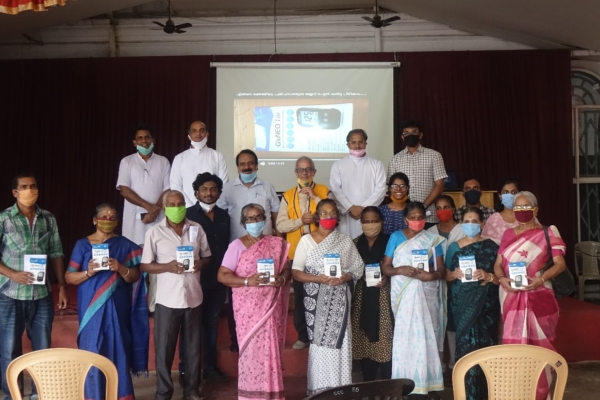
Organized by the Chavara Cultural Centre in Karikkamuri, Kochi, and supported by the Lions Club, the Glucometer, Seeds & Saplings Distribution Program (July 15, 2021) promoted preventive healthcare and sustainable self-reliance among Pranamam Group members and local residents. The initiative equipped 19 elderly members with glucometers, accompanied by practical usage demonstrations and awareness sessions on managing diabetes and lifestyle diseases. Concurrently, the program fostered organic home agriculture by conducting workshops on rooftop gardening and distributing vegetable seeds and saplings, empowering community members to adopt healthier lifestyles and grow chemical-free produce.
COVID Relief Activities
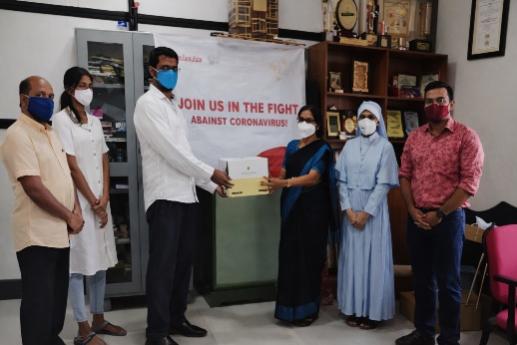
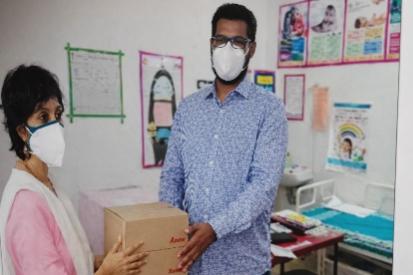
Organized during the COVID-19 pandemic (2020–2021) in partnership with BATA Private Limited Company and Sargakshetra, Chethipuzha, the Shoes and Sandals Distribution Program provided essential support and physical comfort to frontline healthcare personnel and vulnerable institutional populations across Ernakulam District, Kerala. The initiative distributed quality footwear and hygiene supplies to dedicated staff serving at Krishna Hospital, the General Hospital, and various local Primary and Community Health Centres (PHCs and CHCs). Additionally, the relief effort extended direct aid to care homes and childcare institutions—including facilities for differently-abled individuals, KRIPA, and Valsalyam (Sisubhavan)—delivering vital daily essentials to destitute children and residents during the global health crisis.
Food Kit Distribution
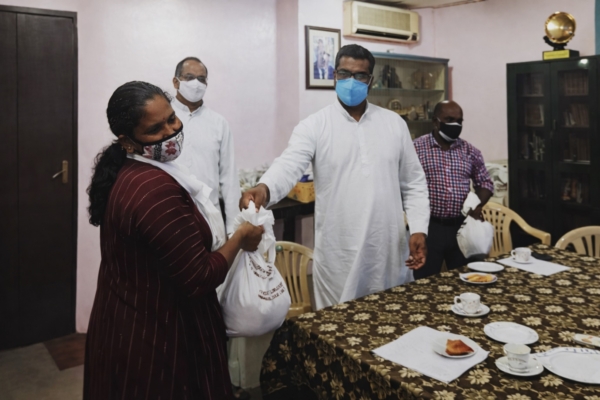
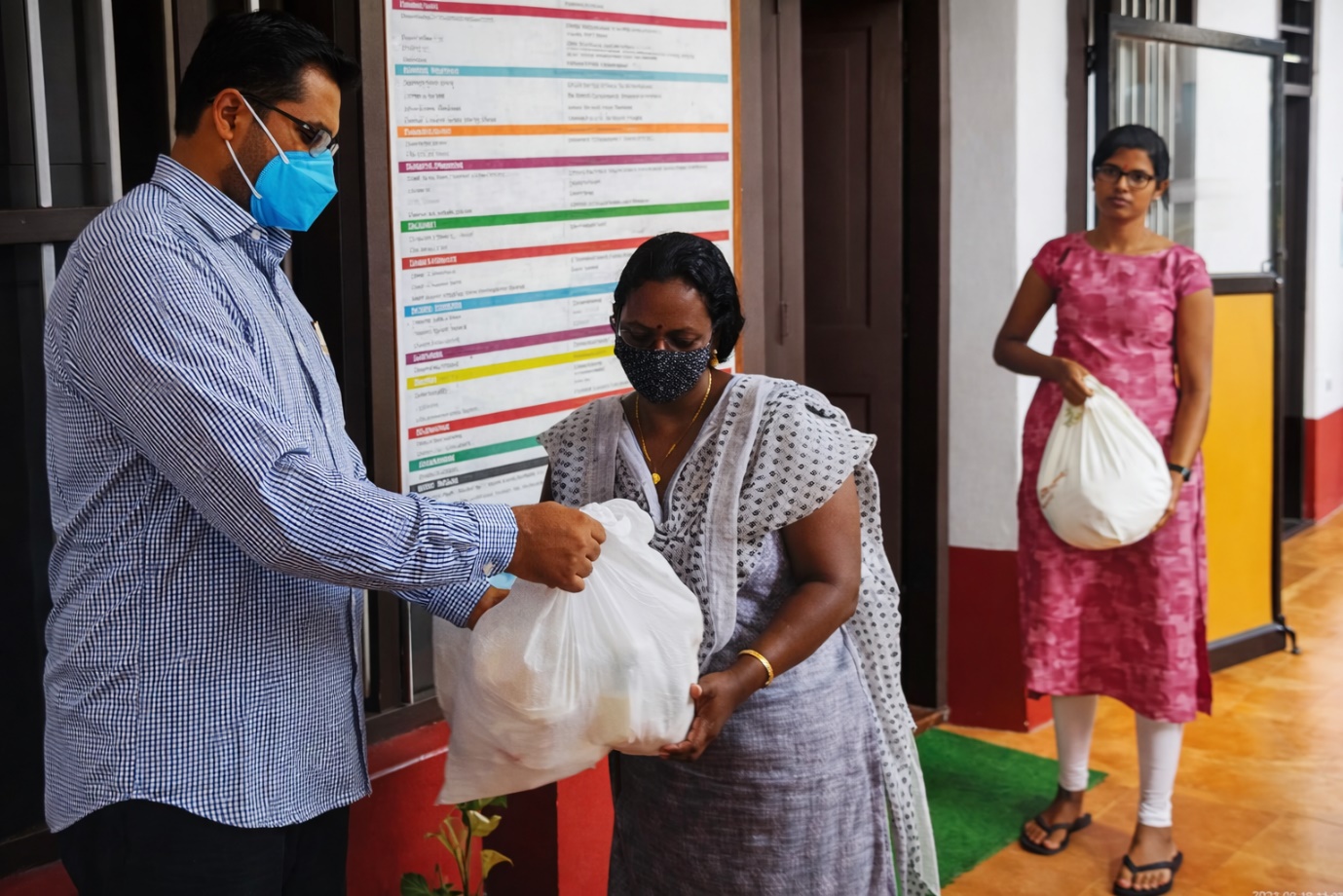
Implemented during the second wave of the COVID-19 pandemic, the Food Kit Distribution Program provided direct emergency relief to over 200 vulnerable and economically distressed households across Kerala. To support basic daily nutrition, essential food materials were delivered directly to the doorsteps of impacted families. Demonstrating an integrated approach to social and environmental responsibility, the initiative packed all relief supplies in eco-friendly cloth bags—reducing single-use plastic consumption while simultaneously providing income-generating work for aspiring local tailors engaged to produce the bags.
Dispensed Cereal Powder Packets
The Dispensed Cereal Powder Packets program provided targeted nutritional reinforcement to vulnerable community members across Kerala. The initiative distributed 100 high-nutrition cereal powder packets weighing 5 kilograms each to families associated with the Pranamam senior citizens group, GEMS, YUVA youth network, and households supporting persons with disabilities. By delivering essential dietary support, the program directly improved the physical well-being, stamina, and overall health of at-risk families facing economic and physical challenges.
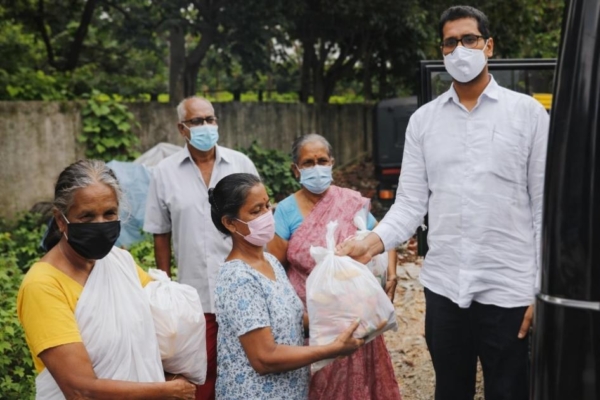
Grocery Bag Distribution
The Grocery Bag Distribution program delivered essential relief to families hit hardest by the pandemic across Kerala, extending vital support to members of community groups including Pranamam, Swanthanam, YUVA, and GEMS. The initiative distributed 78 comprehensive grocery bags containing daily staples such as rice, pulses, spices, tea powder, and sugar to vulnerable households encompassing women, senior citizens, youth, and children. By securing basic nutritional needs during a period of severe economic disruption, the project helped ease household burdens and reinforced community resilience.
Programmes for Differently Abled
Special Camp for Differently Abled Children
Organized on February 8, 2021, in Thiruvananthapuram, Kerala, the Special Camp for Differently Abled Children delivered comprehensive medical guidance, counseling, and direct referral support to children with physical disabilities and their caregivers. The camp brought parents into direct dialogue with medical experts to discuss the underlying causes, prevention, and treatment options for various physical deformities. By addressing parental concerns, dispelling common misconceptions, and offering practical advice on corrective surgeries and ongoing physiotherapy, the initiative empowered families with actionable pathways toward specialized clinical care and improved long-term outcomes for their children.
Livelihood Aid for Differently Abled
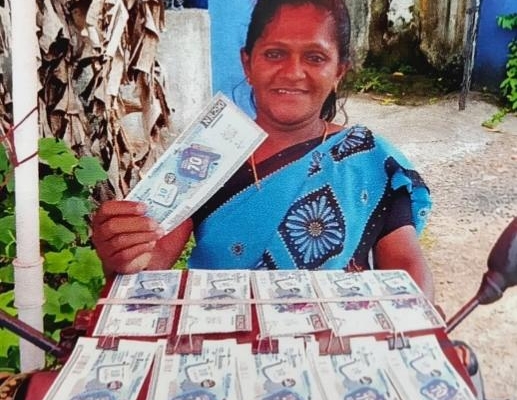
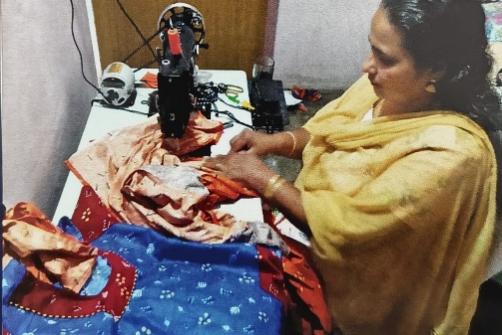
Implemented during the COVID-19 pandemic, the Livelihood Aid for Differently Abled program provided vital financial assistance and economic empowerment to five highly vulnerable families caring for individuals with disabilities. By supplying targeted seed capital and business guidance, the initiative enabled beneficiaries to establish small-scale micro-enterprises, fostering sustainable income generation despite pandemic-related economic disruptions. This targeted support helped mitigate severe household poverty, restoring self-reliance, financial stability, and dignity to vulnerable families during a period of widespread crisis.
NATURAL DISASTER MANAGEMENT PROGRAMME (NDMP)
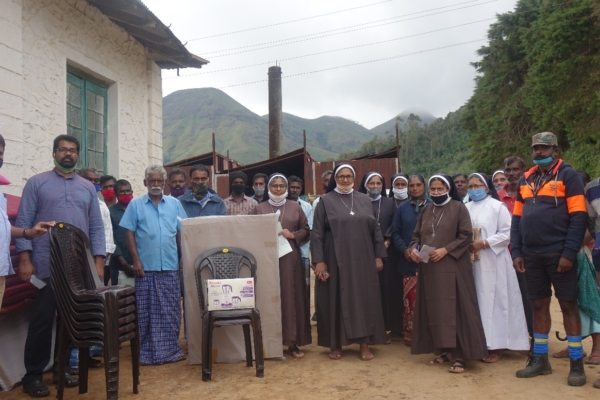
Executed on November 17, 2020, as part of CEVA’s Natural Disaster Management Programme (NDMP), the Disaster Intervention at Pettimudi, Idukki provided rapid relief and rehabilitation support to families devastated by the Pettimudi landslide. Following comprehensive field visits and direct interactions with affected residents near Rajakkad, Idukki District, the initiative delivered critical household furnishings including cots, tables, and chairs—to families who had lost their belongings. By restoring essential living amenities, the program assisted disaster-stricken households in rebuilding their homes and regaining stability following the tragedy.
Flood Relief and Rehabilitation Program
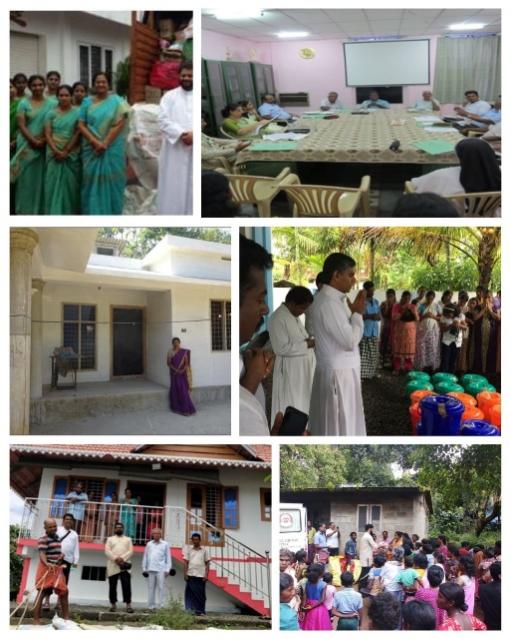
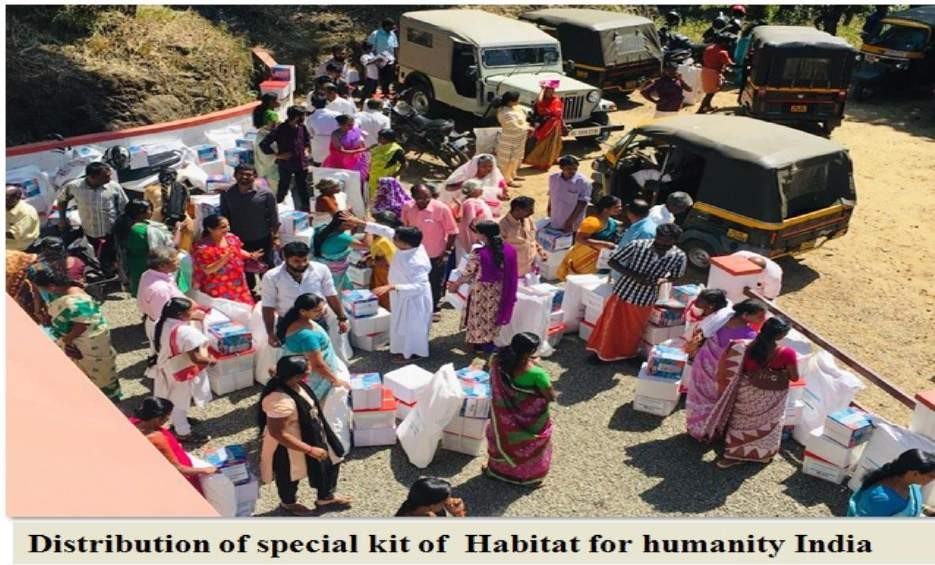
Launched in September 2018 in response to devastating climate events across Kerala, the Flood Relief and Rehabilitation Program delivered extensive emergency aid and long-term recovery support through the collaborative network of eight South Indian CMI Provinces. Coordinated by a dedicated 12-member Disaster Management Cell based at Karikkamuri, the project mobilized ₹22,822,318 to assist displaced families, allocating ₹1,200,000 directly to each province for ground implementation. Initial emergency response measures provided refugee shelter, medical supplies, food kits, and clean drinking water, which evolved into permanent rehabilitation initiatives including home construction, land purchasing, structural repairs, livelihood restoration, debt relief, vocational training, educational aid, and counseling services for affected communities across the state.
Okhi relief programme
Implemented between 2017 and 2018, the Ockhi Relief Programme provided targeted emergency assistance and long-term structural rehabilitation to coastal families severely impacted by Cyclone Ockhi across Thiruvananthapuram and Ernakulam districts. Beyond immediate relief efforts which included the distribution of essential food kits and emergency supplies the initiative focused on rebuilding destroyed infrastructure and restoring living conditions for affected households. Key structural interventions encompassed the construction of new permanent homes, comprehensive house repairs, and the building of dedicated toilet units, ensuring improved health, safety, and long-term security for recovering communities.
Solar Lamp Distribution
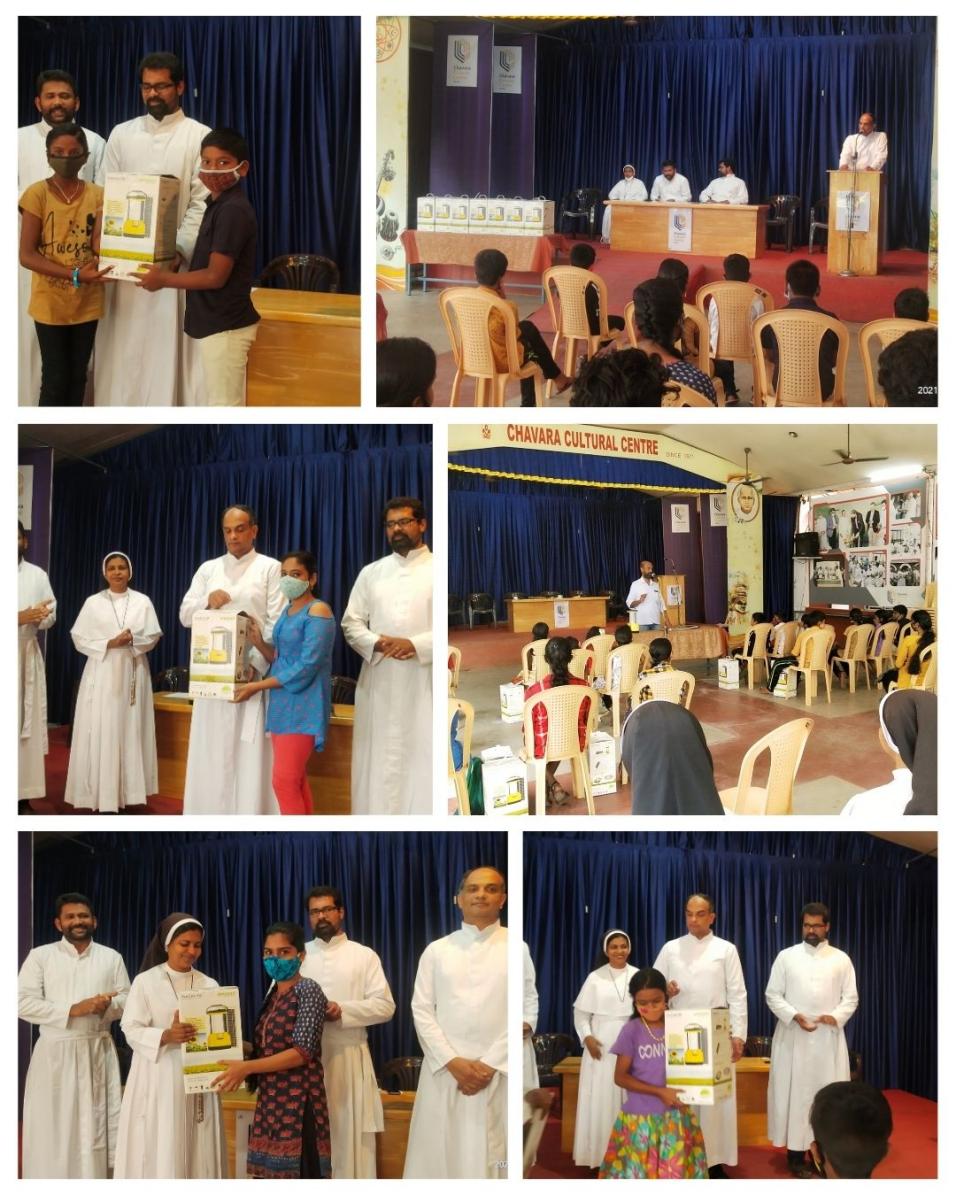
The Solar Lamp Distribution program provided practical learning support and sustainable energy solutions to young students within the GEMS and YUVA youth groups. By distributing 25 rechargeable solar lamps equipped with power storage, the initiative ensured that beneficiary children had reliable, eco-friendly lighting for evening study sessions regardless of local power disruptions. Beyond creating optimal learning conditions and supporting academic performance at home, the program actively fostered early environmental awareness and energy conservation practices among young participants.
Programmes related to the festivals
Distribution of Onam Kits
The Distribution of Onam Kits program provided festive relief and nutritional support to 82 beneficiary families across Kerala during the Onam festival period. The initiative extended holiday provisions to members of CEVA’s core community networks—including Pranamam, Swanthanam, YUVA, and GEMS groups—as well as CEVA support staff. By distributing comprehensive kits filled with essential festival supplies, the program ensured that economically vulnerable families could celebrate the cultural festival with dignity, joy, and security.
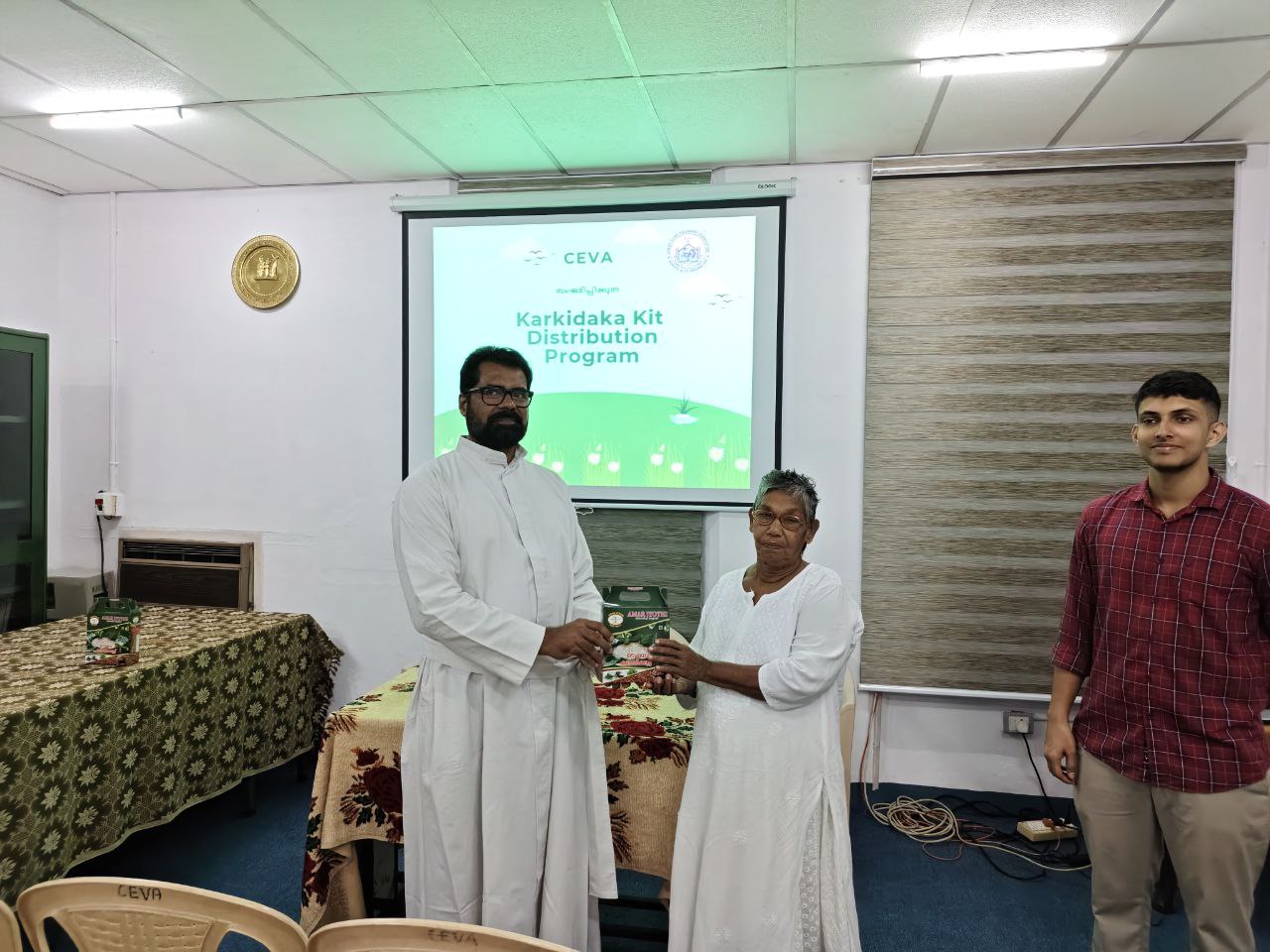
Distribution of Karkidaka Koottu
Organized during the monsoon season, the Distribution of Karkidaka Koottu program provided traditional healthcare and immunity support to 60 members of the Swanthanam and Pranamam community groups across Kerala. By distributing authentic Karkidaka Koottu (traditional medicinal formulation kits), the initiative promoted time-tested herbal wellness practices designed to restore physical vitality, build disease resistance, and enhance overall health during the damp, vulnerable monsoon months particularly benefiting elderly members and individuals in need of nutritional rejuvenation.
Medical Camps
Hear Screening Camp
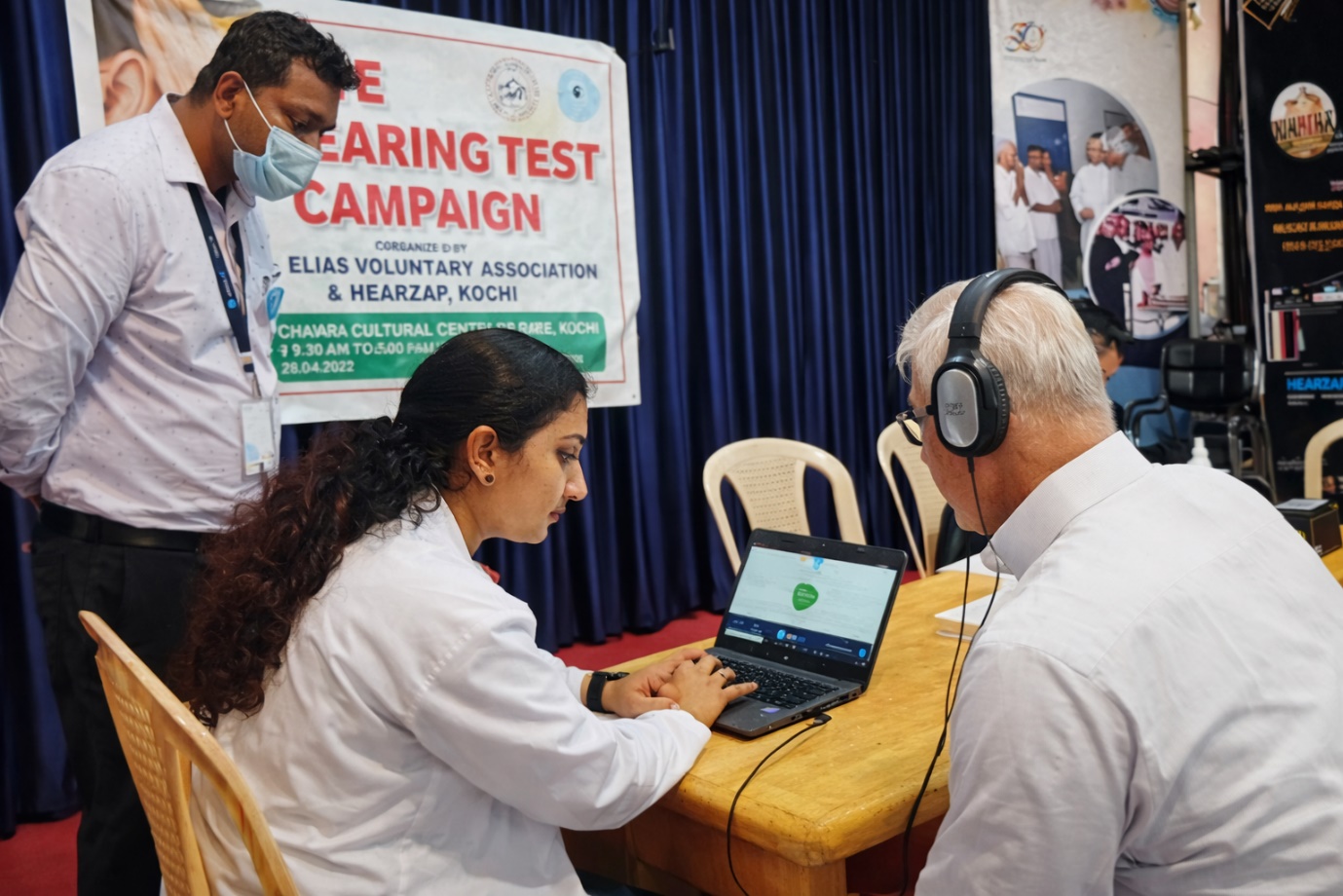
Organized in collaboration with HEARZAP, Kochi, the Hearing Screening Camp provided free baseline audiometric evaluations and professional consultations to 83 community members. Officially inaugurated by a CEVA board member, the medical initiative focused on the early detection of hearing impairments, promoting auditory health, and guiding participants toward appropriate clinical interventions and preventive care.
Eye Camps
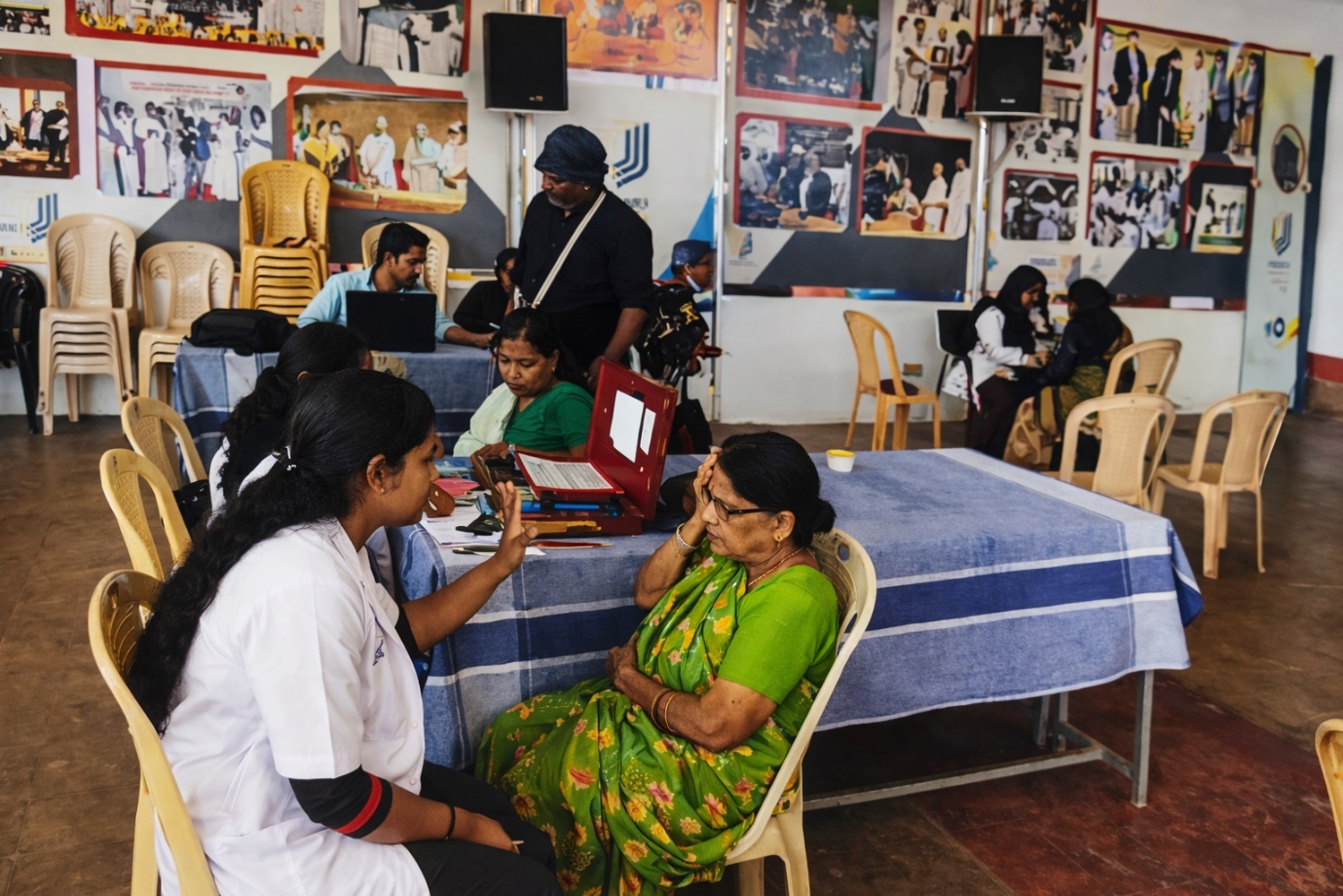
Organized in collaboration with the Rotary Club and the Kerala Social Security Mission, the Eye Camps initiative delivered free comprehensive vision care to around 100 community members across two targeted health camps. Designed to serve elderly individuals and nearby residents with limited access to specialized care, the camps provided thorough ophthalmic examinations, early detection of visual impairments, and professional medical guidance to preserve sight and improve quality of life.
Blood Donation Camp
Organized in partnership with the Chavara Cultural Centre, the Blood Donation Camp brought together community members to address local blood bank shortages and support critical patient care. Inaugurated by MLA T. J. Vinod, the civic health initiative successfully mobilized 42 voluntary donors, raising awareness about the vital importance of regular blood donation and reinforcing community-driven healthcare support in Ernakulam.